Best Fence Installer: Setting Up in Sloped Yards with Accuracy
A sloped backyard can make a fencing project really feel basic theoretically and tricky the moment you start setting out messages. The ground is telling its very own tale, and if you overlook that tale, the fence line ends up looking like it's drooping, drifting, or stepping in odd locations. An absolutely competent Best Fence Installer treats the slope like a design constraint, not an issue to "work about."
In my work, the best results come from one attitude: accuracy is not just straight lines, it is appropriate spacing, right heights, and right expectations. When the backyard hands over one side or climbs across the back residential property line, the objective is typically not a perfectly flat aesthetic. The objective is a fence that looks intentional, remains protected, and does via freeze-thaw cycles, wind tons, and water runoff.
Whether you are hiring a Best Fencing Contractor, comparing a Best Fence Company, or looking especially for a Best Fence Installer who has actually done numerous sloped installations, you desire a person who understands layout, water drainage, and blog post setting as one system.
Why slopes change everything
On flat ground, fencing installment usually comes to be a rhythm. Mark a line, established blog posts at constant intervals, mount rails at regular factors, and close it out with pickets or panels. Gravity is boring that way.
Slopes eliminate the "boring." A lawn that drops also a few inches can relocate the fence height about the ground across the run. If you establish articles based just on range along the ground, you can develop rails that combat the slope. If you establish posts based only on a consistent elevation on top rail, you can end up with voids at the bottom that are as well large, or even worse, panels that rack since they are forced into a form the ground will not support.
There are likewise useful problems. Dirt can differ with altitude on a single property, with one side holding more wetness and another side draining much faster. Rocks and compacted layers are common where drain has actually combed the land. And if the slope consists of a swale or a shallow ditch, water may merge near the fence line after storms.
An incline is not simply "an incline." It is water drainage, soil behavior, and exactly how people will see the fence from the driveway, the outdoor patio, or the street.
The two major approaches: action and follow
When individuals discuss fencings on inclines, they often imply one of two styles.
The first is a stepped method, where each section or panel adheres to a stairs pattern. The top of the fence remains straightened to the message elevations, yet the fencing does not try to maintain a continuous rail elevation throughout the slope. In technique, it looks like the fence fluctuates in increments.
The second technique is a "follow" approach, where the fence keeps an even line, usually measured from a regular reference like the leading rail. To do that, all-time lows and bases must accommodate the slope. This often produces a more consistent appearance from a distance, however it can develop bigger voids near the higher ground unless you prepare for skirting, kickboards, or landscape design strategy.
Both techniques can be appropriate. The best alternative depends upon the fencing type, how the fence is built, and what the owner wants visually.
As an installer, I check out 2 things promptly: the fence material and just how stiff the system is. Steel and functioned iron commonly tolerate minor change, yet plastic and some timber systems can subject errors when the slope is managed poorly. Lattice and panel fencings additionally react in different ways since panel surface areas do not like being twisted.
This is one reason some property owners wind up unhappy when they select the cheapest quote from a Best Fencing Company that deals with every lawn the exact same. Sloped designs require more time on design, a lot more thought of grading around post bases, and even more attention to just how rails land on posts.
Layout is where precision begins
Precision starts prior to any type of openings get dug. I have seen several projects fall short because of design shortcuts. A fencing line that looks right on the ground can become noticeably off after you establish posts, specifically if the backyard incline is not uniform.
The best way to handle this is to develop a regular referral for the fence line and afterwards develop the slope logic right into the blog post heights.
On sloped yards, I generally run a layout string line and utilize a technique that accounts for elevation adjustments along the run. After that I translate those elevation readings into message sizes, rail areas, or panel elevations. The objective is not simply "articles go to the best spots," it is "the fencing will construct without compeling anything."
If you are working with a Best Fence Builder, ask exactly how they intend their format on inclines. A specialist usually describes measuring elevation, intending article elevations, and determining where adjustments will show. If the answer appears vague, it is a red flag.
One quick note from the field: when a slope has multiple breaks, like a yard that drops, flattens, after that drops once more, the fence might need different action spacing in different areas. Attempting to use a solitary slope technique across the whole run typically produces uncomfortable shifts where the fencing alters its pattern.
Soil, water, and article setting on a tilt
Post setting is not the location to "hope it works out." On sloped backyards, gravity can affect just how openings load and how water walks around the base.
When a hole is gone into unequal ground, the soil layer you hit at the "front" of the hole might vary from the dirt layer on the "back" side. That implies bearing toughness can differ within the very same article place. Likewise, if drain paths water toward the fencing line, you can wind up with saturated dirt near one end of the run during storms.
This impacts 2 points: how deep you require to set messages for security, and exactly how you backfill.
I stay clear of a one-size-fits-all deepness presumption because neighborhood codes, wind problems, and soil kind matter. Still, a typical blunder on inclines is superficial setup on the higher ground because the opening "looks excellent" at a glimpse. Then the post changes somewhat as the soil works out, and within a period the fencing starts to lean in a manner that is difficult to fix cleanly.
A mindful installer additionally thinks about frost deepness and local freeze-thaw actions. If your location experiences freezing temperature levels, water in the dirt can broaden and produce lifting pressure. Articles that are not established and compressed correctly can conform time, and slopes can make that motion much more noticeable.
If you are contrasting Best Fence Contractors or Best Fence Installers, inquire about exactly how they manage post opening preparation, backfill compaction, and drain. The answers need to specify enough that you can picture the process, not just a basic pledge of durability.
Choosing a fencing design that tolerates slope
Not every fencing style endures slope similarly, also when installment is done well.
Wood picket fencings can be aesthetically forgiving because you can readjust picket elevations individually, particularly if you plan a consistent "action" pattern that matches the quality. Plastic fencings are sometimes forgiving as well, however the rigid framework can make it more challenging to maintain rails lined up if message heights are not prepared precisely.
Aluminum and steel fencings frequently have solid visual lines, however they depend upon exact message spacing and careful modification so the panels rest square. If the installer attempts to "make it fit" during setting up, you can see misalignment rapidly. This is where a Best Fence Installer that has actually developed a great deal of sloped runs shows up: they prepare for the assembly series, not just the final look.
Chain link can work extremely well on inclines when done appropriately. You generally require a method for tensioning and for making sure the bottom line does not sag exceedingly. It is additionally much easier to keep a constant top rail line, depending on how the grade changes.
If you inform the installer what you prefer aesthetically, they can match the method. For instance, a homeowner might desire a stepped look for a much more typical look, or a follow-the-grade seek a tidy contemporary line. The material option assists define what "clean" indicates in practice.
An area example: the "small incline" that wasn't small
One of one of the most memorable incline mounts I did started with measurements that looked minor. On a fast walkthrough, it appeared like the lawn was just tipping down a couple of inches throughout the fencing run. The property owner desired a straight leading rail look from the driveway side, however they likewise desired marginal gaps near the bottom for animal containment.
If the approach had actually been informal, the fence would have shown big spaces at the greater end or rails that ended up dealing with the incline. Instead, we treated it like a design trouble. We developed a recommendation line, figured out message height increments that created a smooth change, and planned just how each rail area would align.
The difference boiled down to where we "put the reality." We chose the leading rail line would certainly comply with altitude targets while the reduced sections utilized skirting and lower clearance preparing to maintain the spaces sensible. It was not one magic trick, it was multiple tiny choices that added up.
By completion, the fencing looked deliberate. It did not look like the ground forced it right into an uncomfortable form. That is the genuine difference between an average result and a top-tier mount, and it is why the expression Best Fencing Installer is not practically rate, it is about restraint and accuracy.
The tiny information that make a sloped fence last
On slopes, little blunders come to be huge troubles much faster. Below are a few detail locations that matter in the real world:
- Fence lines can accumulate particles and water at the low end. That can rot timber bottoms, rust steel, and loosen dirt around blog post bases.
- Rail-to-post connections are under various stress and anxiety than they would be on level ground. If the system is a little required, duplicated wind load can magnify the misalignment.
- Fasteners, braces, and post hardware have to be mounted square and consistent. If you secure something at an angle to "fix" an incline error, you may create a weak point.
- Gate swings can alter on slopes. An entrance that clears the ground on the greater side may capture on the lower side unless the bottom clearance and joint arrangement match the grade.
This is likewise where communication issues. A Best Fencing Company that timetables website measurement, then confirms the design approach with the homeowner before digging, has a tendency to create less shocks later.
Planning around exposure from the road and patio
People see fencings from specific angles. A sloped yard can hide issues in one direction and highlight them in another.
If the main sight is from the road, a leading rail technique that creates a straight visual line frequently wins. If the fencing is mostly watched from a patio area or yard seats area, the space pattern near the ground matters a lot more, particularly if there is landscaping around it.
It prevails to have one side of the fence that faces the customer and an additional side that encounters a driveway or an energy location. You can often prioritize aesthetic appearance on the "view side" while utilizing the much less noticeable side to fine-tune architectural alignment.
This is not regarding hiding flaws. It has to do with making wise choices in just how you allocate the compromises an incline forces.
What you need to decide before the installer starts digging
A sloped backyard makes it a lot more essential to make a decision early, because the choices influence both cost and appearance. A professional Best Fencing Contractor will normally verify these details in a pre-install meeting.
Here is what I recommend you make clear:
- Which aesthetic design you like: stepped, follow-the-grade, or a crossbreed with skirting
- Whether the fencing needs to be pet-safe or kid-safe at the bottom clearance level
- Where gateways ought to be placed for smooth gain access to and clearance on the slope
- How much landscaping interruption you can tolerate during installation and message backfilling
- Whether you want the fence line to adhere to the residential or commercial property border specifically or line up to a specific format string line for a cleaner run
If you are interviewing Best Fence Builders, take note of whether they ask these concerns. Installers who only focus on material and out design selections frequently end up "fixing" with more labor later.
Handling usual incline difficulties without guesswork
Sloped backyards bring foreseeable problems. The tricky part is responding with a strategy that matches the fencing system and the grade.
Here are a few situations that show up regularly, together with how experienced installers typically handle them:
- Uneven incline throughout the run (a drop in one area and a squashing in one more) - the post elevation increments need to alter by area, not just one continual rule
- A high area that compels a large space at one end - strategy skirting, readjust step spacing, or take into consideration a follow-the-grade technique on rails where the fence kind sustains it
- Soft or damp soil near the low end - prepare for deeper setting, mindful backfill, and water drainage understanding so articles do not resolve unevenly
- Rock layers or compacted subsoil - pre-plan to stay clear of "shallow in the rock line" shortcuts, and confirm whether walk problems impact article depth
- Gate positioning near a slope break - confirm hinge elevation and lower clearance so the gate does not scratch or sag after a couple of seasons
The finest installers do not rely upon improvisation during the install day. They intend, determine, and then execute.
Budget fact: why sloped installs set you back more
If you have actually obtained quotes already, you could have noticed that sloped backyards have a tendency to push rate upward. That is not immediately an indicator of dishonesty. Accuracy takes time.
There is much more measurement, more format initiative, more article length preparation, and commonly much more hardware change. Sometimes there is additionally extra material waste since rails and fence elements need to be cut or configured to match planned message heights.
That claimed, you should still hold people answerable. A greater quote needs to show an actual process, not simply "due to the fact that it is sloped."
When you speak to Best Fence Installers and Best Fence Companies, ask what added job is included. If the only difference they discuss is "we will install it very carefully," that is difficult to value.
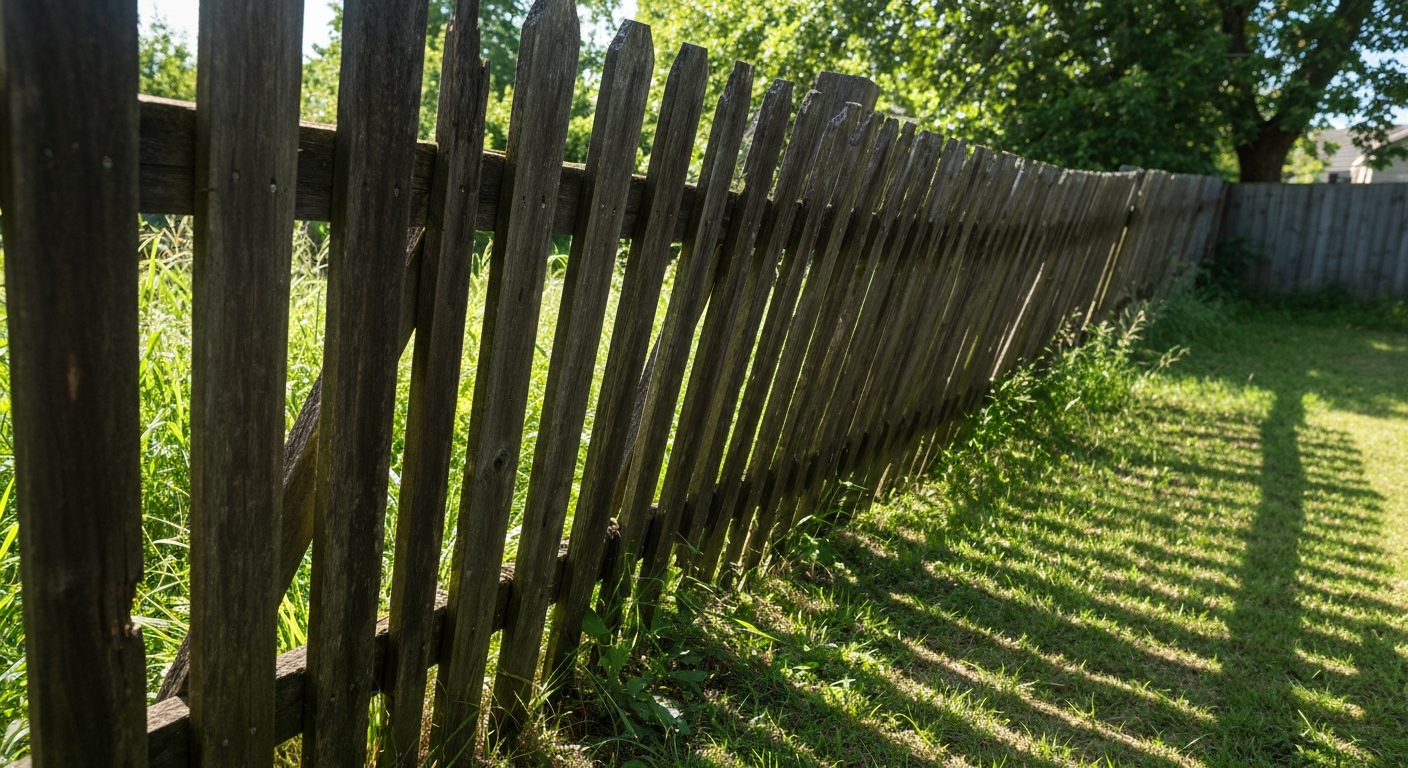
A mindful specialist typically discusses how they deal with slope height adjustments, whether they use a tipped or follow-the-grade method, and exactly how they make sure entrance feature on the slope.
The agreement conversation you want to have
Slopes create circumstances where assumptions can wander. A fencing can be developed appropriately and still not match what the house owner believed they were buying.
To stop that, request clarity on a couple of things prior to work starts:
1) Just how the fence line will certainly be measured and exactly how post heights will be chosen across the slope
2) What style will be made use of near the bottom line, especially for privacy and pet dog containment 3) What takes place at changes, like where the incline modifications direction or where there is a patio step 4) Exactly how ground leveling or planet disruption will certainly be managed and brought backThese points are particularly vital if you are also coordinating with landscaping or water drainage plans.
The most expert Best Fence Builder will go through these information without treating them like a nuisance. If they avoid conversation, you are most likely to obtain shocks later on, like too much voids at one end or a fence line that does not sit the means you expected.
Safety and allow considerations (and why they matter more on inclines)
Fence job is typically based on neighborhood policies concerning height limitations, positioning troubles, and home line demands. Sloped yards can include intricacy to just how elevation is determined, since "elevation" can be interpreted from different reference points.
Some areas step fencing elevation from the highest nearby quality. Others use a typical or a details side. If you choose a strategy for blog post elevations without recognizing just how your location specifies measurement, you may wind up with a fence that goes beyond the limitation on one side, also if it looks fine from one more angle.
An educated contractor must either confirm the regional rules or a minimum of ask sufficient questions to stay clear of standard compliance problems. This matters extra on sloped buildings because the greatest grade may be on the side you did not measure carefully.
Maintenance choices that alter with grade
When the ground tilts, maintenance requires adjustment too.
Wood fences call for interest to lower get in touch with and dampness management. If water collects at the reduced end, the fencing bottom takes the hit initially. Aluminum and steel fences might require periodic checks for covering damage or for bolts that loosen up if dirt clears up. Plastic can last a long period of time, however it is still crucial to avoid debris accumulation at the base line and to keep blog post locations free from caught water.
For any type of material, a sloped backyard gain from having a plan for seasonal drainage. If you notice water constantly pooling near the reduced end of the fence line, think about whether you require a drain change. Occasionally it is as simple as regrading, in some cases it calls for a lot more structured water drainage work.
A Best Fence Company that understands setup is likewise most likely to recognize the basic grading principles that secure the fencing after install day.
Questions to ask when you are contrasting installers
If you intend to find the best fit, ask questions that expose how they think, not just how quickly they work. Here are a couple of that constantly separate strong Best Fencing Contractors from the average ones:
What method do you utilize to determine message heights on inclines, and exactly how do you choose the bottom clearance pattern?
Do you intend the gate clearances around the slope, or do you readjust later on site? Just how do you manage soft dirt or water activity at the low end of the run? What do you do when the incline adjustments suddenly in the center of the fence line? Will you show me the prepared layout strategy prior to digging, especially where presence matters?Their solutions tell you whether they are experienced with sloped installs and whether they are the kind of Best Fence licensed fence installer Installer that deals with the yard's geometry as component of the style, not an obstacle.
Working together with a pro: what excellent collaboration looks like
An effective sloped fence task is rarely an one-sided effort. The proprietor brings preferences and restrictions, and the installer brings the execution plan.
In practice, good cooperation appears like this: you stroll the residential or commercial property with the installer, you point out the locations that matter most aesthetically, and you review exactly how tight the bottom gap requires to be. The installer after that suggests a layout method that matches the fence kind and the yard slope, and they validate just how changes will certainly look.
During setup, the expert communicates modifications swiftly. If they strike unanticipated soil conditions or a concealed location that changes exactly how they can set deepness, they discuss the influence and provide a practical course ahead. That is where count on is built.
If you are hiring a Best Fence Builder, this is where you intend to see judgment. Occasionally the very best decision is not the most obvious one, like picking a hybrid technique to preserve a clean leading rail line while still controlling the lower gap where it matters.
What "precision" appears like when the task is done
When a sloped fence is mounted with precision, it does not just look great in one picture. It remains good.
You should have the ability to stroll the fencing line and see constant spacing between messages. Panels should rest without obvious twist. Bed rails must not noticeably combat the slope. Entrance operation need to feel smooth as opposed to scraping or dropping. And the fencing needs to appear like it belongs to the landscape rather than like an item bolted onto a problem.
Precision also indicates the installer did not cut corners on the base. Post areas must look steady. Bottom lines need to match the promised technique, whether tipped or skirted. Any type of transitions need to really feel calculated, not patched.
This is why selecting the appropriate Best Fencing Company or Best Fencing Company style issues. Some teams can install a straight run swiftly. The ones that regularly take care of sloped yards comprehend the mix of dimension, preparation, and craft that turns a slope from a headache into a clean design choice.
Final takeaway for house owners with slopes
Sloped backyards are challenging, yet they are not arbitrary. The slope has rules, the fencing has structural requirements, and the visual result depends upon just how you intend post heights, rail alignment, and lower clearance together.
If you desire the best outcomes, look for a Best Fence Installer or Best Fence Builder that talks with the slope method before excavating. Select a person that determines altitude purposefully, sets posts with stability in mind, and prepares gates for smooth operation. That is just how you wind up with a fencing that looks exact, functions dependably, and stands up with periods of rainfall, freeze-thaw cycles, and wind.